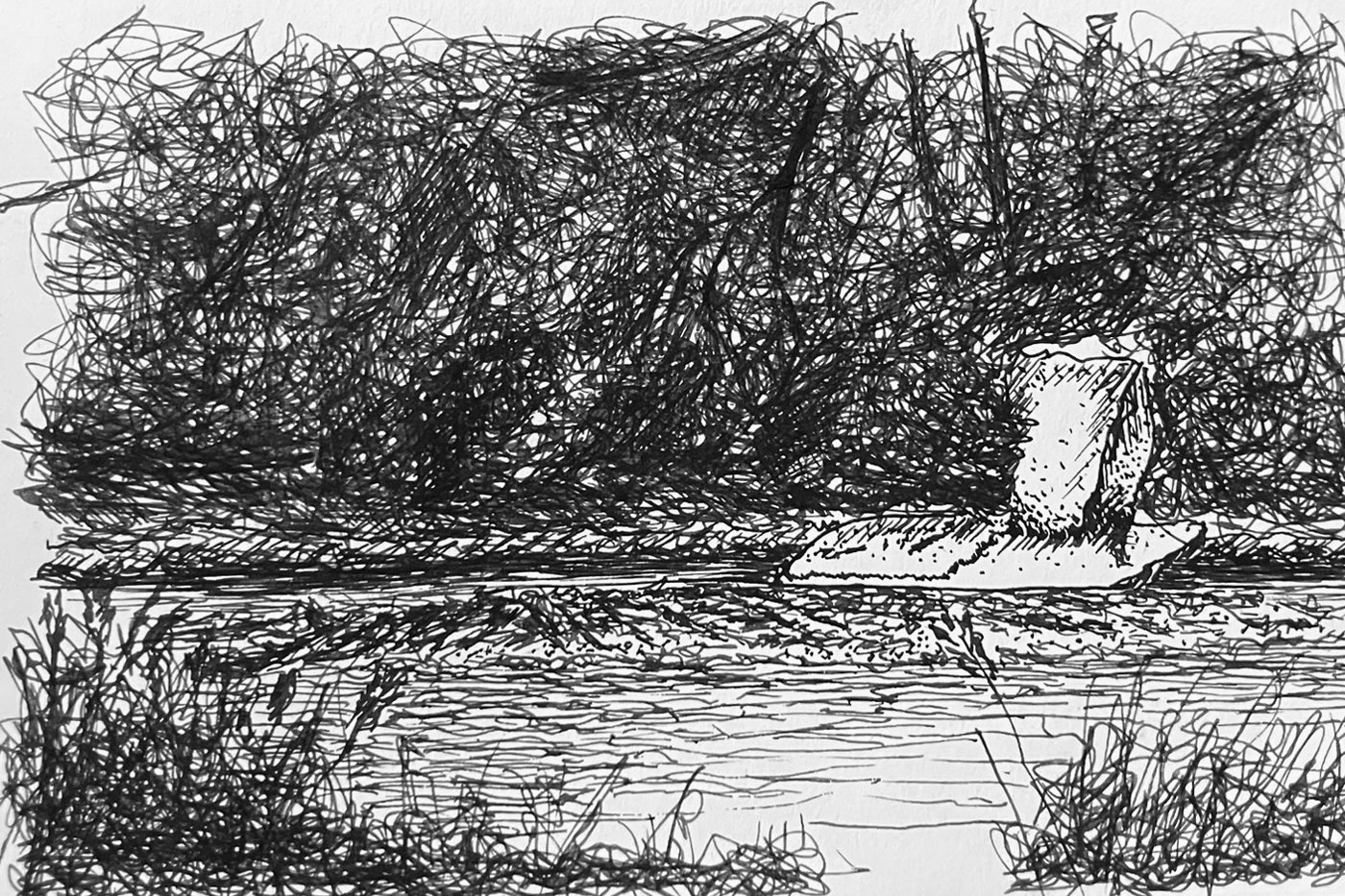
Romanticism swept in like a storm of moonlight and melancholy, handing us poetry laced with longing, dreams disguised as destiny, and emotions turned up to eleven. It gave voice to the soul, draped in velvet and mist, and invited us to feel more deeply than perhaps we ever had.
There’s no denying its beauty—or its power. But now, we need to have a little chat.
Today, we’re flipping the mirror. Because alongside the grandeur, Romanticism handed us something else: the quiet but insistent idea that feeling is fact. That perception is truth. That our most fleeting inner whims might carry eternal significance simply because they feel profound.
It’s time to take a step back. Not to discard what was gained, but to ask what was lost along the way.
The Paradox of Romanticism
Romanticism, for all its emphasis on truth and beauty, often blurred the lines between feeling something deeply and that feeling being true. It glorified the subjective, the personal, the instinctual. And in doing so, it flirted with a dangerous lie: that because I feel something intensely, it must therefore be real, right, and righteous.
But here’s the rub — feelings are not facts.
Romanticism didn’t invent emotional reasoning, but it definitely gave it a press kit. In an age emerging from cold Enlightenment rationalism, the poets of the 19th century wanted to break the mold. And they did — by tossing the mold into a stormy sea of passion, idealism, and mood swings.
The paradox is this: in seeking deeper truth, Romanticism made truth entirely personal. In rejecting stale intellectualism, it embraced emotional impulsivity. The movement that claimed to honor the soul sometimes handed the keys to the ego. It created a world where personal truth trumped shared reality. And here we are, two centuries later, still drunk on that very idea.